![[EN] Poladent](https://www.poladent.cz/en/wp-content/uploads/sites/2/2025/02/poladent-logo-primary-small.png)

Dental implant surgery is a common, modern procedure that gives patients back their functional teeth and self-confidence. However, for smooth healing and long-term success, it is essential to follow proper post-operative care . That is why we have prepared a clear overview of what to do and what not to do after implantation – including recommendations regarding diet, physical activity and daily hygiene.
✅ What we recommend doing after implantation
✔ Peace and quiet come first
After the procedure, plan a rest period – ideally a few days without physical exertion. The body needs to concentrate on healing, and it does this best in calm conditions.
✔ Balanced and soft diet
In the first few days, choose foods that don’t require biting or chewing. Examples include:
- vegetable creams and broths
- porridge, puree, “soft” pasta
- proteins in the form of yogurt, cottage cheese, boiled eggs or fish
- seedless smoothie
You can gradually add harder foods, but chewing at the implant site should be avoided for several weeks.
✔ Careful oral hygiene
Especially in the first week, pay attention to gentle but regular cleaning. Use a soft toothbrush, antiseptic mouthwash (e.g. with chlorhexidine) and avoid direct contact with the wound.
You can also prevent inflammation by rinsing with lukewarm water after meals.
✔ Pay attention to sleep and head position
Sleeping with your head slightly elevated helps reduce swelling. Avoid sleeping on your stomach or directly on your face where the implant was inserted.
✔ Attend check-ups
Regular visits to the doctor are essential – they will allow you to monitor healing and detect any complications in time.
❌ What is definitely not recommended after implantation
✘ Do not put pressure on the implant area
Before the implant can become firmly anchored in the bone, it needs to be protected. Chewing hard foods, biting your nails, or putting markers in the wound increase the risk of implant failure.
✘ Avoid certain foods
The following are not recommended:
- hard bread, nuts, seeds
- hot or extremely cold foods
- sticky and fibrous food (e.g. caramel, mushrooms)
- alcohol and caffeine in the first few days
Seeds and small particles can mechanically irritate the gums or lodge in the wound.
✘ Don’t start sports too early
Physical exertion, heavy lifting, or intense sports are not recommended for the first 10-14 days. They increase pressure in the blood vessels, which can lead to bleeding and slow healing.
✘ Smoking and alcohol = risk factors
Nicotine impairs blood flow to tissues and may prevent the implant from fitting properly. Alcohol weakens the immune response and may interfere with prescribed medications.
✘ Don’t ignore warning signs
Severe pain, swelling, fever, or pus are reasons to contact a doctor immediately. Complications can be treated, but only if you arrive on time.
Recommended behavior for quick and trouble-free healing
- Drink enough , ideally pure water or herbal teas
- Consume vitamins , especially C, D and zinc
- Cool your face for the first few days (e.g., an ice pack wrapped in a towel)
When to return to normal mode?
Most patients can return to work and normal activities after about a week. A fixed replacement (bridge or crown) is usually placed after several months, when the implant is fully integrated into the bone. During this time, it is crucial to follow your doctor’s recommendations.
Conclusion: A new smile deserves care
Dental implants can significantly improve your quality of life, but the first few weeks will determine their success. Follow the recommendations, be patient, and don’t be afraid to ask your dentist anything.
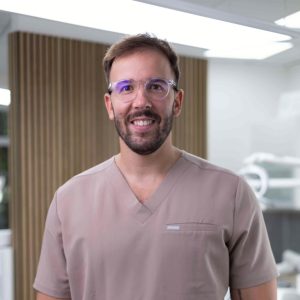
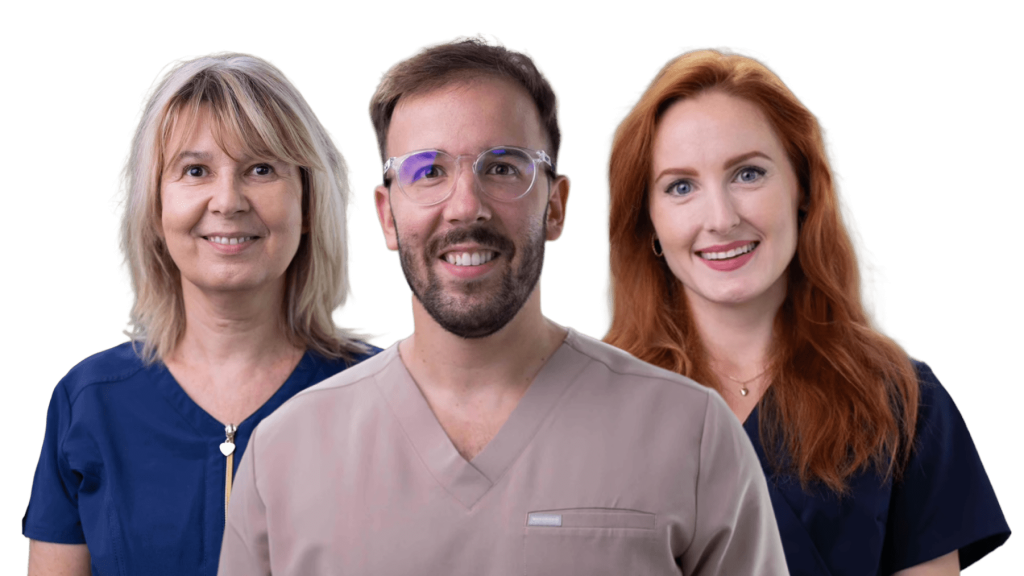
Are you considering dental implants? Make an appointment with MDDr. Polach in Pilsen, who has many years of experience with implantation. Reliable results, a professional approach and sensitive care are a matter of course.