
Dental implants Pilsen
Dental restoration for a full smile and functional teeth
Missing teeth can make your daily life difficult. Dental implants are a modern and long-lasting solution that naturally replaces lost teeth. You will regain a confident smile and full functionality of your teeth without putting pressure on the surrounding teeth.

What are dental implants?
Dental implants are artificial tooth root replacements to which crowns, bridges or dentures are attached. The implant is inserted into the jaw, where it provides a stable and long-term foundation for a solid dental prosthesis. The procedure is performed under professional supervision with regard to the individual condition of the patient. The advantage of implants is that they protect the surrounding healthy teeth, prevent jawbone loss and allow for a long-term and reliable solution to missing teeth.
When are dental implants appropriate?
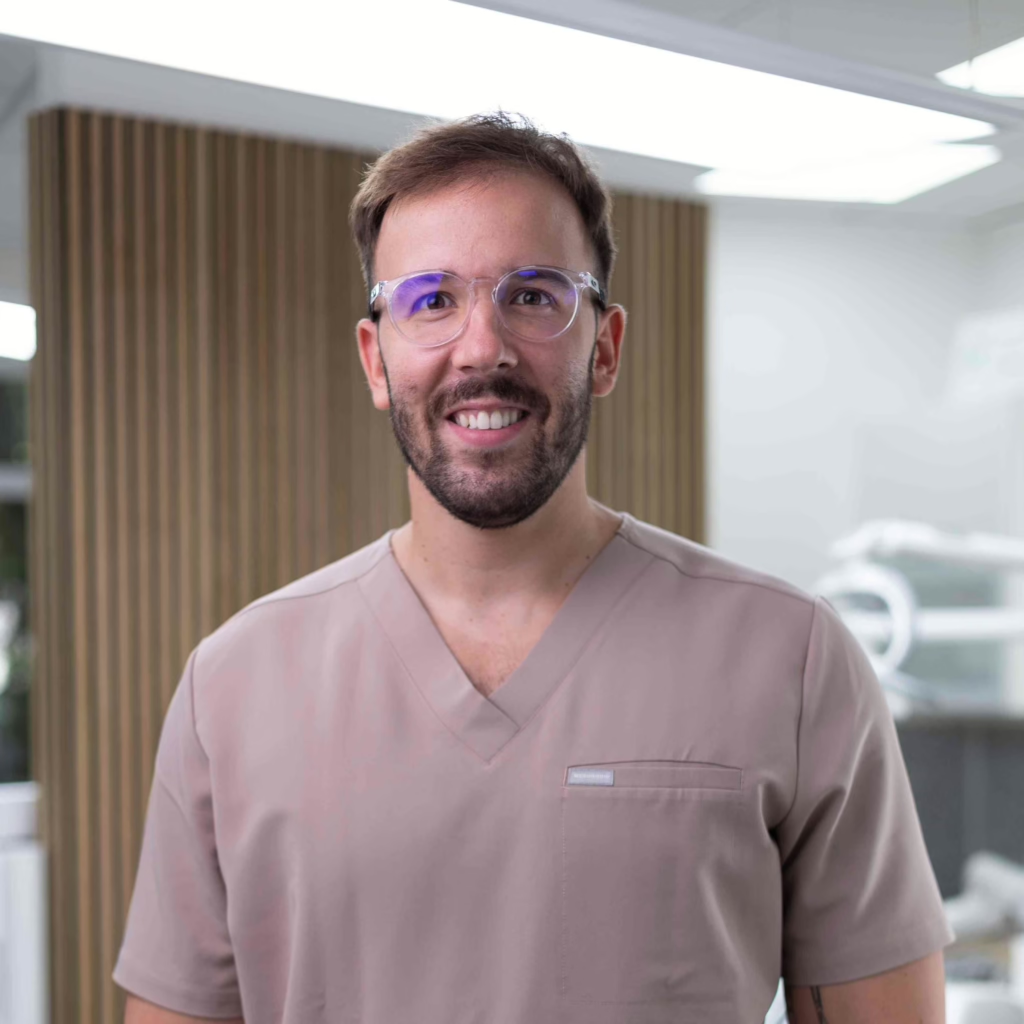
How dental implant treatment works
- Consultation and planning : The doctor will assess the condition of the jaw, surrounding teeth, and the patient’s overall health.
- Implant placement : The implant is safely placed in the jaw, the procedure is performed with patient comfort in mind.
- Final restoration after healing : After healing, the implant is fitted with a crown, bridge or prosthesis and final checks of function and aesthetic result are performed.
How satisfied are our clients with their new teeth?
The best testimony to the quality of our care is the experiences of satisfied patients. Read their stories and find out why they love coming back to us.
My periodontal problems were solved by the application of 6 implants (all-on-6 method) for my upper teeth. I was scared about it, but everything went smoothly and I had temporary replacement teeth firmly attached on the 2nd day. After several months I received my final teeth. Super approach from all the staff to my great satisfaction.

Quality equipment and professional approach from people who know what they’re doing 😎 thank you

Dr. Stepan Polach is for me a very high-quality and competent dentist. He explains everything, pleasant behavior. I am very satisfied with his work and I’m glad to be his patient.

Amazing place 🤩

Great team and pleasant environment, I wouldn’t change it.

Very patient and sensitive female dentist.

Perfect patient care

I’ve been going to the female dentist for 20 years and I’m completely satisfied, and now with Miss Klímová too! 🙂

Examination and prevention
Conservative dentistry
Prosthetic dentistry
Dental hygiene
Ready for a healthy and beautiful smile?

It depends on individual healing. Typically, it takes 2–5 months from implant placement to the fitting of the crown or other final restoration.
With proper care and regular check-ups, a dental implant can last for decades—often even a lifetime.
It includes an examination of the teeth, gums, and fillings, as well as X-rays if needed and recommendations for dental hygiene care.
Ideally twice a year, and more frequently for patients with periodontitis.
A visit to the dental hygienist should not be painful, though it can feel slightly uncomfortable—especially during the first session or if there is a larger amount of tartar present.
For patients with sensitive gums or advanced inflammation, local anesthesia can be used to ensure greater comfort.
It includes the removal of tartar and stains, polishing, and instruction on proper oral and gum care techniques.
Usually 1–3 weeks, depending on the type of restoration and the dental laboratory.