Why should a missing tooth be addressed as soon as possible?
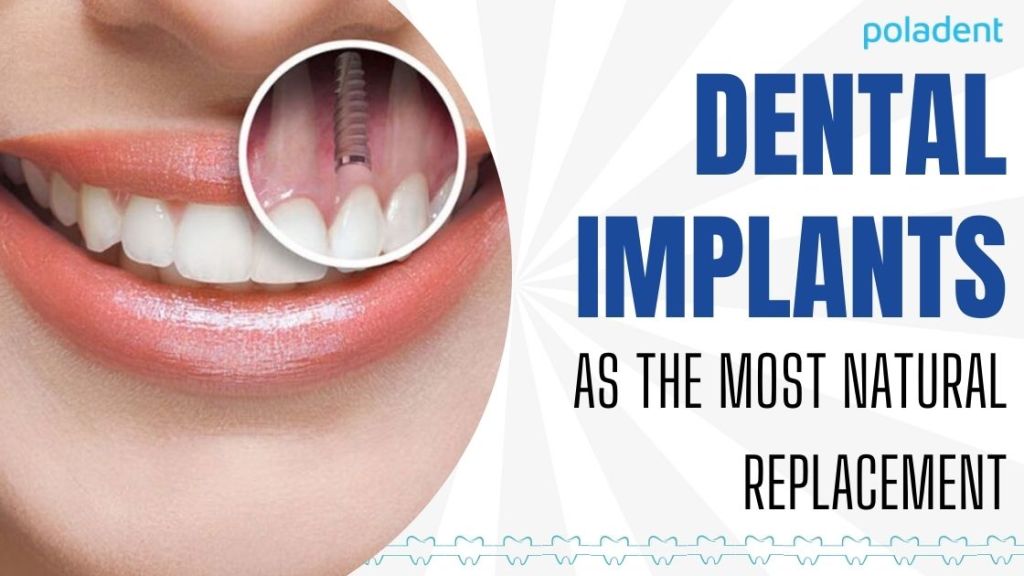
A dental implant is now considered the most natural way to replace a missing tooth. The reason for this is that the dentition functions as a single unit, in which each tooth has its own clearly defined role. As soon as one tooth is missing, the entire system begins to adapt to the new situation – and not always in the right direction.
Patients often get into the habit of biting to one side or avoiding certain foods. These small changes gradually lead to overloading of some teeth and disruption of the bite balance.
What happens to the teeth after tooth loss?
After a tooth is lost, the position of the surrounding teeth gradually changes. They begin to shift and tilt into the resulting gap, changing their mutual contacts. The bite becomes less stable and some teeth are exposed to excessive load.
These processes occur slowly and without noticeable symptoms, which is why they are often underestimated. Subsequent problems may only appear after a longer period of time.
Why is it important to replace the root of the tooth?
The root of the tooth plays a crucial role in transmitting chewing forces and stabilizing the dentition. If only the visible part of the tooth is replaced, this important support is missing. The dentition then never functions completely naturally.
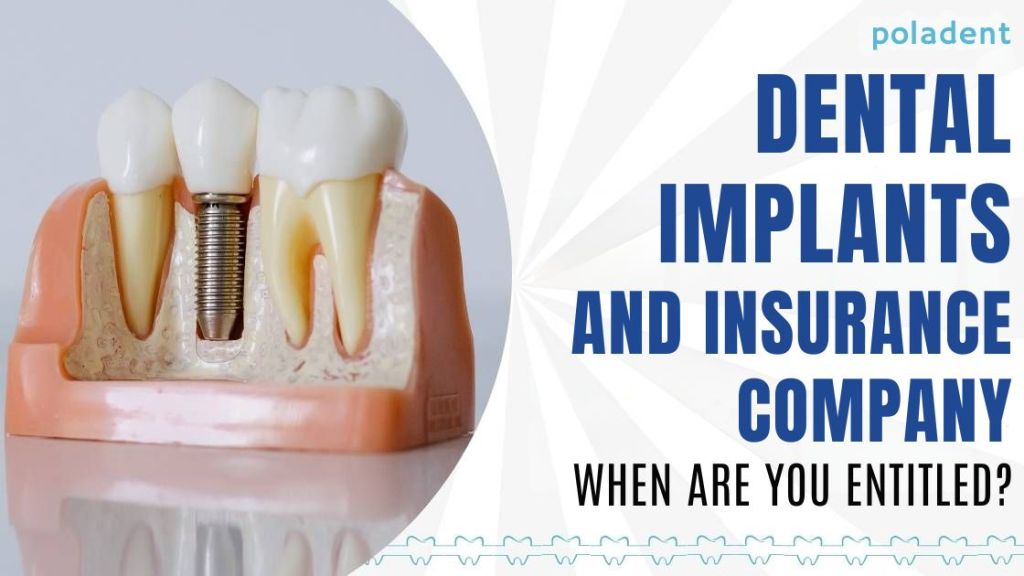
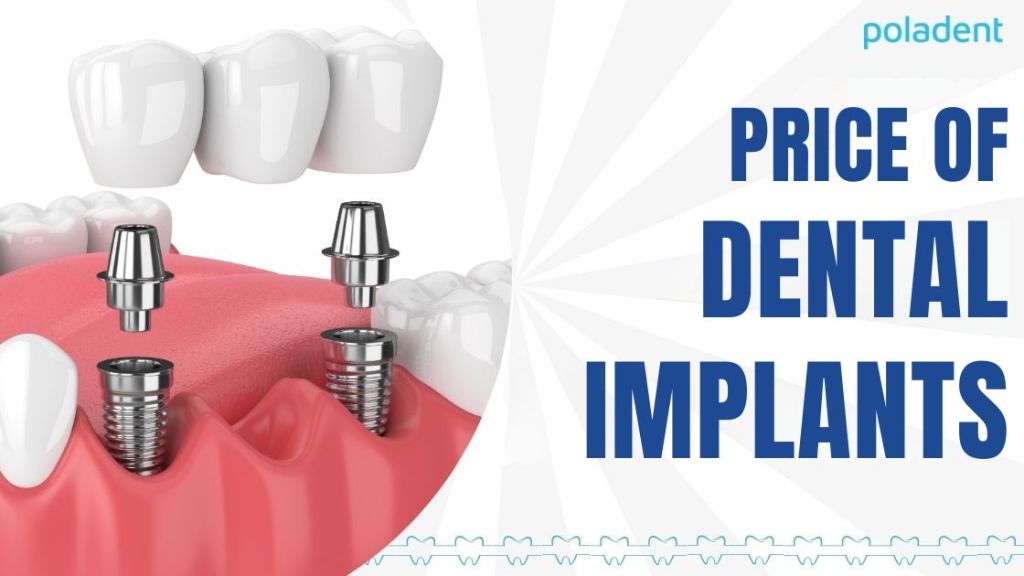
A dental implant replaces the root of a tooth and creates a solid foundation for a crown. This allows the teeth to behave naturally even under load and prevents other teeth from being overloaded.
What comfort does a dental implant bring to patients?
One of the most common concerns of patients is whether they will perceive the implant as a foreign body. In fact, after healing, the implant becomes a natural part of the dentition. It is firmly anchored, does not move and does not restrict eating or speaking.
Patients also appreciate that they can eat without fear or restriction with the implant. The feeling of security and stability is one of the main reasons why the implant is perceived as a very comfortable solution.
How does an implant differ from other methods of tooth replacement?
Unlike bridges, it is not necessary to interfere with neighboring healthy teeth when inserting an implant. The implant works independently and respects the natural structure of the teeth. This makes it a gentle and long-term stable solution.
In addition, the aesthetic crown is designed to fit naturally between other teeth and not disrupt the overall appearance of the smile.
What is the importance of individual treatment planning?
Implant treatment is not a universal procedure. Each patient has different needs, different teeth and different expectations. Therefore, Poladent places emphasis on a thorough examination and careful planning of the entire treatment.
The goal is not just to replace a missing tooth, but to restore the natural function of the teeth so that the result is stable and comfortable in the long term.
Why is a dental implant a solution with long-term benefits?
A dental implant helps maintain proper dental function, a stable bite, and a natural smile. It is not just an aesthetic issue, but a solution that supports the health of the entire dentition for many years to come.